July 9, 2026
Car detailing is more than just a maintenance procedure; it's an art and a science aimed at enhancing and preserving the appearance of a vehicle. Recognizing quality workmanship from a professional car detailer can save you time, money, and frustration, ensuring your car is maintained in its best possible state. Superior detailing work involves careful attention to both interior and exterior aspects, applying expert techniques, and using high-quality products. By being able to spot quality car detailing, you benefit from improved aesthetics, increased resale value, and prolonged vehicle lifespan. Understanding the intricacies of this craft equips you to make informed decisions and appreciate the benefits of premium detailing services.
Components of a Full Detail Service
A full detail service is a comprehensive process that includes cleaning, restoring, and finishing a vehicle, both inside and out. The goal is to achieve a high level of detail that resembles a showroom finish, rejuvenating the car to its optimal condition. This service typically involves a multi-step approach including exterior washing, paint correction, waxing, interior vacuuming, and steam cleaning. Each component plays a critical role in the overall result, contributing to the vehicle’s protection and visual appeal. Investing in a full car detailer not only enhances the aesthetics but also protects against environmental damage.
According to Panda Hub, a standard detailing job usually takes about two to four hours, while more complex services such as paint correction take longer. This time investment is necessary for the detailer to perform a thorough job and tackle any existing issues effectively. Each step in the process must align with industry standards to achieve the desired end result. The duration may vary depending on the vehicle size, its current condition, and the specific package opted for. Understanding this timeline helps car owners set realistic expectations and appreciate the complexity involved in quality detailing.
Difference Between Interior and Exterior Detailing
Interior and exterior detailing are two distinct processes, each focusing on different areas of the vehicle. Interior detailing involves cleaning the car’s cabin, emphasizing upholstery, carpeting, dashboards, and consoles. Specialists utilize techniques like steam cleaning, vacuuming, and professional-grade cleaners to ensure a spotless and fresh-smelling environment. On the other hand, exterior detailing targets the vehicle’s surface, working on elements such as paint, windows, and wheels to restore and protect their aesthetic integrity. The methods include washing, claying, polishing, and applying protective coatings.
While an interior detailer enhances driving comfort by cultivating a clean and organized environment, exterior detailing protects the vehicle against elements like UV rays, pollutants, and contaminants. This distinction underlines the complexity and comprehensive nature of a full detailing service. Both interior and exterior attention are crucial to maintaining a vehicle's value and appearance, necessitating careful attention to detail in both areas. Ignoring one aspect may lead to wear and tear that can diminish the overall quality of the vehicle. Recognizing the specific requirements of each type of detailing allows car owners to make well-informed decisions tailored to their vehicle’s needs.
Common Techniques Used in Professional Detailing
Professional detailing involves a wide range of techniques specifically designed to address every aspect of a vehicle's care and maintenance. Washing techniques, such as the two-bucket method, ensure no cross-contamination occurs while cleaning the vehicle's exterior. Claying removes bonded contaminants from paint surfaces, preparing them for polishing or waxing. Machine polishing eliminates minor scratches and oxidation, revealing a glossy, smooth surface. Finally, for long-term protection, high-quality waxes or ceramic coatings are applied, providing durability and shine.
A professional car detailer utilizes techniques like steam cleaning and extraction to handle tougher stains and dirt. Steam cleaning sterilizes without chemicals, making it effective for fabrics and surfaces that require a deeper clean. For stubborn spots, detailers may use specific stain removers tailored for different materials such as carpets or leather. These commonly used techniques ensure that even the most challenging cleaning tasks are accomplished efficiently and effectively. Adapting the right technique reduces cleaning time, optimizes results, and minimizes risks associated with improper handling.
Paint and Scratch Correction Techniques
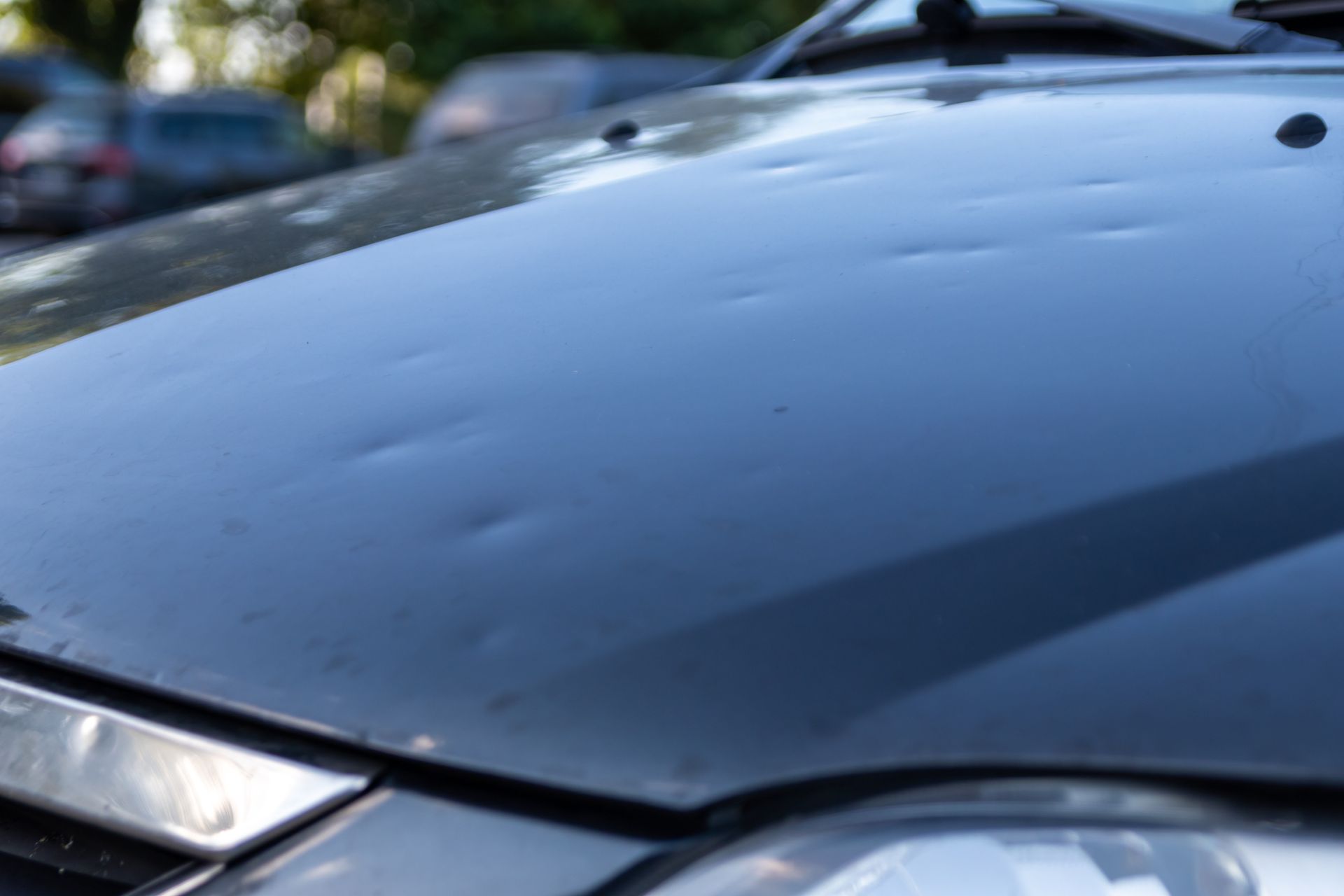
Paint correction is a meticulous process that involves removing surface imperfections in the vehicle's paintwork, such as swirls, scratches, and oxidation. This is accomplished through compounding, polishing, and refining specialized products and equipment. Car detailers apply compounds using rotary polishers to remove a thin layer of clear coat, which eradicates visual defects. Following compounding, polish is used to refine the finish, enhancing gloss and clarity. Paint correction requires exceptional skill, as improper techniques can lead to further damage rather than restoration.
Scratch correction often involves using touch-up paint for minor blemishes, blending them seamlessly with the existing paint. Professional detailers employ color-matching techniques to ensure repairs are virtually undetectable. Correcting deeper scratches may necessitate more intensive solutions like wet sanding in conjunction with polishing. The end goal is to achieve a surface that is smooth, clear, and showcases the vehicle's true color vibrancy. Such correction techniques highlight the expertise of car detailers, reflecting an understanding of paint chemistry and application methods.
Effective Washing and Drying Practices
Effective washing and drying practices are foundational to preserving a vehicle’s exterior finish and preventing paint damage. A high-quality wash starts with a preliminary rinse to remove loose debris, followed by a hand wash using the two-bucket method to minimize scratches. Detailers use specialty soaps that lift dirt without stripping protective waxes. The washing process also involves careful attention to intricate areas like grilles and door jambs, which tend to accumulate dirt. A thorough rinse after washing ensures no residue is left behind, preparing the car for drying.
Drying the vehicle properly is as crucial as washing, utilizing microfiber towels or air blowers to avoid leaving lint or water spots. Microfiber towels are particularly favored for their absorbency and gentleness on surfaces, minimizing the risk of scratching. Some detailers use compressed air or soft water blades to accelerate the drying process, especially in tight spaces. A bad drying job can leave marks and lead to mineral deposits, potentially compromising the meticulous wash performed just before. Quality drying ensures a spotless finish, maintaining the vehicle's polished look.
Waxing, Polishing, and Coating
Waxing, polishing, and coating are stages focused on enhancing and preserving a vehicle’s exterior appearance. Polishing comes first, involving the use of abrasive compounds to remove minor surface imperfections and bring out a deep gloss. The process refines the paint, offering a smooth surface while prepping it for other protective applications. Waxing follows, where a layer of natural or synthetic wax is applied to shield the paint from UV rays, pollutants, and other environmental harm. This provides the car with a shiny finish and aids in water beading, making it easier to keep the car clean.
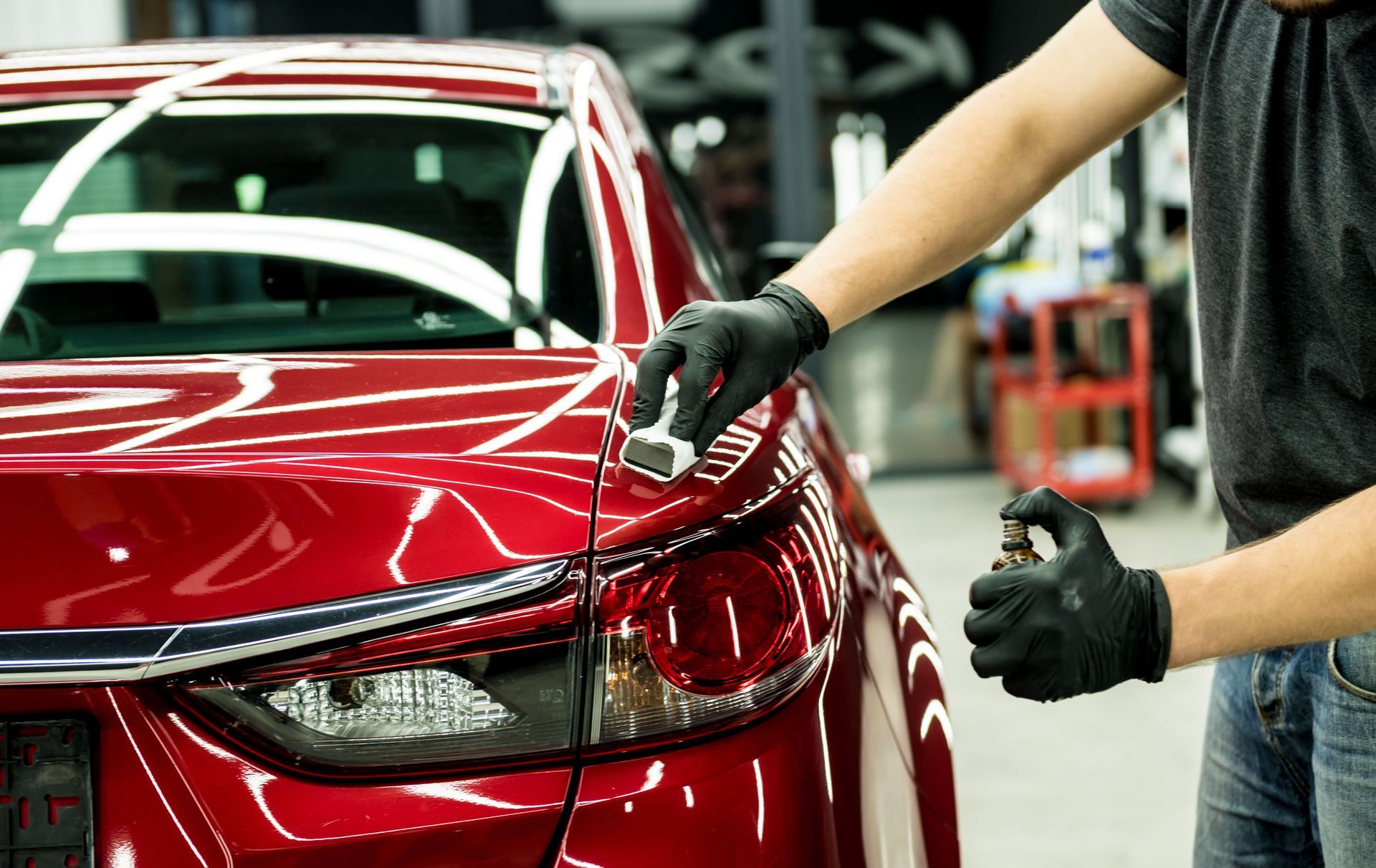
In recent years, ceramic coatings have gained popularity for providing long-term protection lasting several years rather than months. Unlike wax, ceramic coatings form a hard shell that chemically bonds with the paint, offering a robust layer of protection. This coating is resistant to chemical etching, bird droppings, and other harmful elements that can damage paint. While more costly than traditional waxing, the benefits of enhanced durability and heightened gloss make ceramic coating a valuable investment. Choosing between waxing and coating hinges on owners' preferences for protection efficacy and maintenance requirements.
Professional car detailing is a worthwhile investment that extends far beyond a standard car wash, merging meticulous artistry with technical expertise to protect and rejuvenate your vehicle. By understanding the distinct roles of interior and exterior maintenance—from advanced paint correction to specialized washing and long-term ceramic coatings—car owners can make informed decisions that safeguard their investment. Entrusting your vehicle to skilled professionals every four to six months not only elevates its daily driving comfort and aesthetic appeal but also preserves its long-term resale value and structural integrity. Contact Heartland Dent Shop today to work with an expert
car detailer you'll love.